

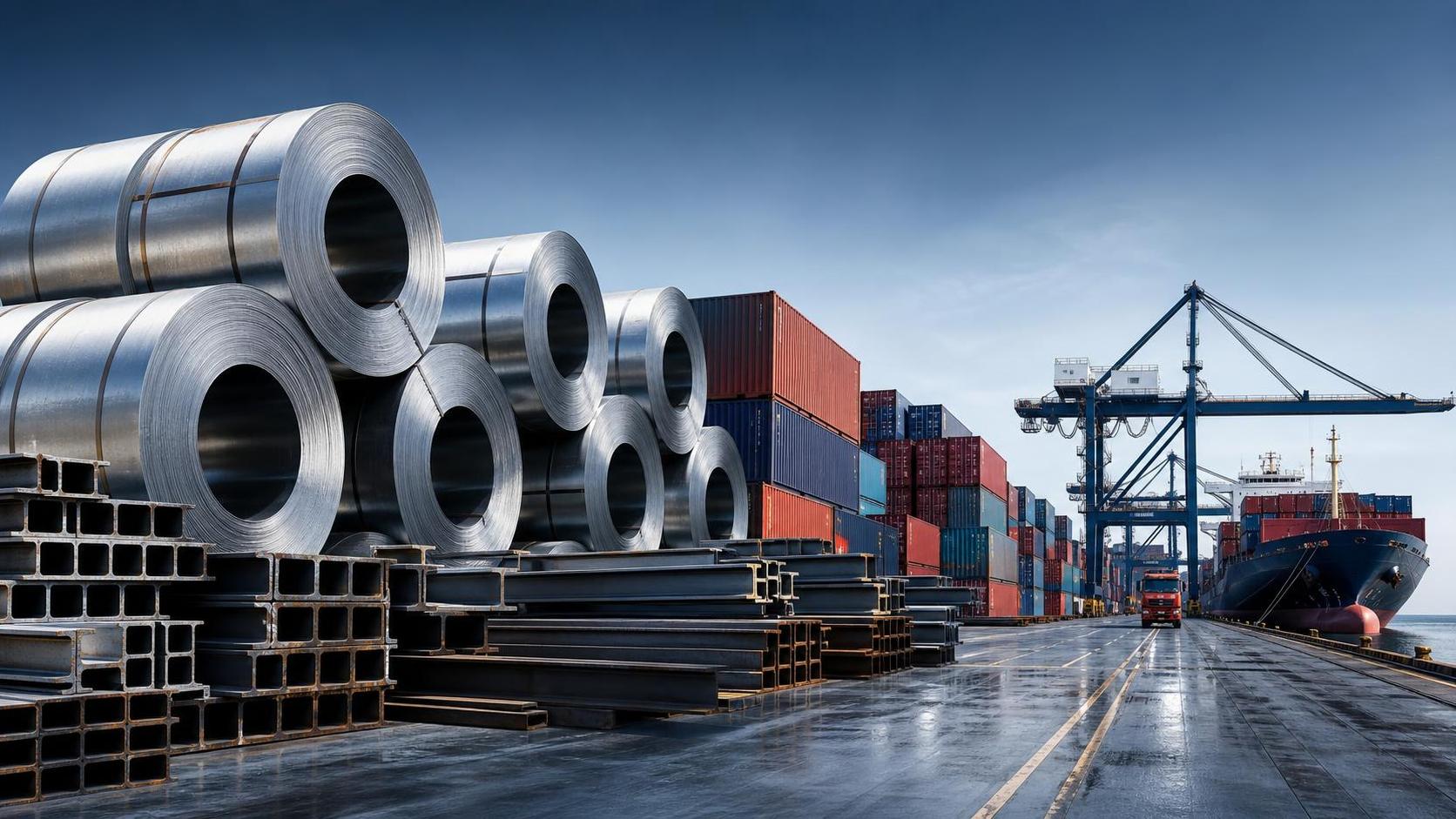
On July 27, 2026, Vietnam’s Ministry of Industry and Trade opened an interim anti-dumping review covering Chinese hot-rolled coil across 27 HS codes, with a final decision expected within six months. For steel exporters, importers, distributors, and downstream buyers active in Vietnam and the wider ASEAN market, this is not just a trade remedy update: it directly affects compliance routes, landed cost structures, and sourcing decisions at a time when regional competition is already tightening.
What Has Been Confirmed So Far
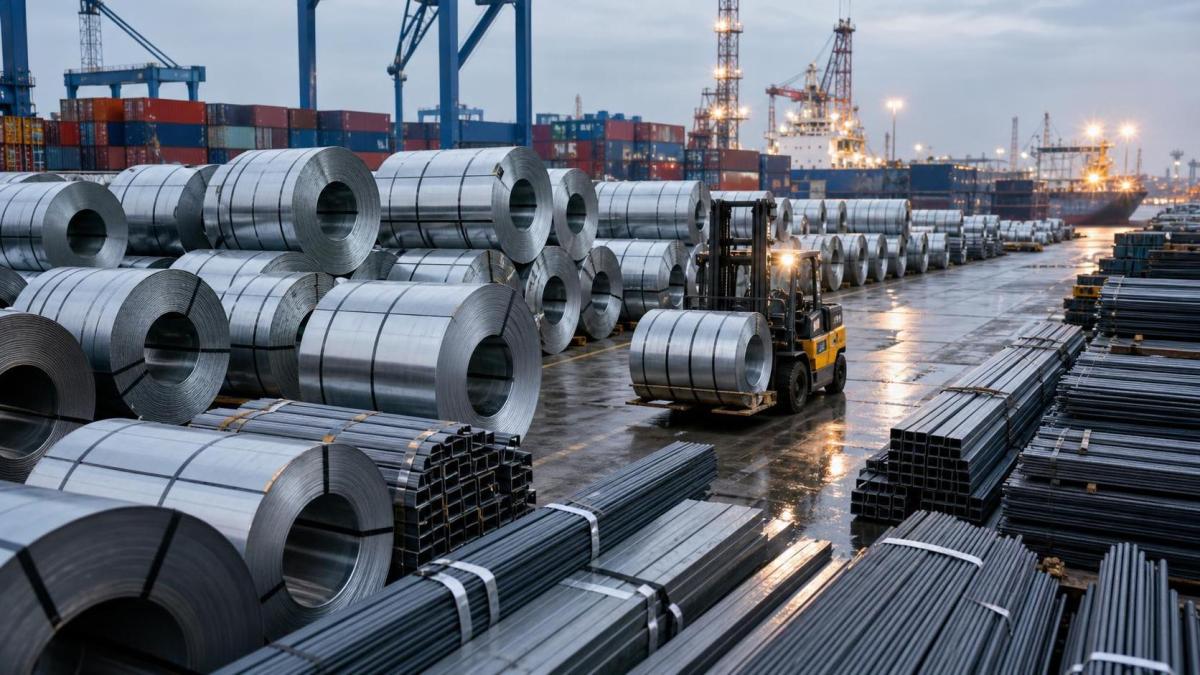
The confirmed facts are limited but commercially significant. Vietnam has formally launched an interim anti-dumping review on hot-rolled coil originating in China. The review covers 27 HS codes, and a final ruling is expected within six months from the July 27, 2026 start date.
The information provided also makes clear that this review will directly affect the compliance pathway and cost structure for Chinese steel entering Vietnam and the broader ASEAN market. At the same time, new slab capacity in Indonesia is coming online, while low-priced material from India continues to enter the regional market.
Where Pressure May Build Across the Supply Chain
Trade flows into Vietnam and ASEAN
From an industry perspective, the most immediate pressure is likely to fall on companies that rely on Vietnam as an entry point or trading hub for Chinese hot-rolled coil. Their exposure is concentrated in customs treatment, shipment planning, and pricing assumptions tied to existing contracts or near-term cargoes.
Import and distribution decisions
Importers and distributors may be affected because the review adds uncertainty around source stability and total procurement cost. Analysis shows that the issue is not limited to tariff expectations alone; it also extends to document readiness, customs clearance risk, and whether current purchasing arrangements remain workable if compliance requirements become more demanding.
Downstream buyers using hot-rolled coil
Processors and end users that buy through regional channels may also need to pay attention. Observably, any change in sourcing routes or cost structure can feed through to lead times, supplier selection, and replacement planning, especially where purchasing programs were built around Chinese origin material.
Supply chain and service providers
Logistics, customs, and trade service providers are exposed through execution risk. Their role becomes more sensitive when product classification, supporting paperwork, and import handling need closer review during a live trade remedy process.
What Companies Should Track Now
Official wording and procedural updates
What deserves closer attention is the exact direction of future official statements and any clarification tied to the 27 covered HS codes. For affected businesses, the practical impact will depend on how the review develops and how scope interpretation is applied in actual transactions.
Exposure by product line and shipment schedule
Companies should examine which product categories, customer programs, and shipment windows are most exposed. This matters because the review timeline overlaps with current procurement and delivery planning, making timing risk as important as pricing risk.
Document and compliance preparedness
Importers, distributors, and service providers should review supplier qualifications, origin-related paperwork, customs documents, and internal approval processes. Analysis shows that even before a final ruling, compliance execution can become a business variable in its own right.
Alternative sourcing and customer communication
Given the added pressure from Indonesia’s new slab capacity and continued inflows of low-priced Indian material, market participants may need to reassess replacement supply options. At the same time, customer communication should stay closely aligned with realistic delivery expectations and procurement flexibility.
Why This Looks Like a Signal, Not a Finished Outcome
This development is better understood as an active market signal rather than a completed result. The review has started, but the final decision is still expected within six months, which means the commercial environment is changing before the legal outcome is settled.
Analysis shows that the broader significance lies in how trade policy pressure is now intersecting with shifting regional supply conditions. Chinese hot-rolled coil is facing weaker competitiveness in Southeast Asia not from a single factor, but from the combined effect of compliance pressure, changing cost structures, and more aggressive regional supply alternatives.
How the Market May Need to Read This Stage
At this stage, the news should be read as a material change in risk conditions for steel trade into Vietnam and ASEAN, rather than as proof of a final market reset. The review itself is confirmed, and so is the need for businesses to revisit procurement stability, customs exposure, and backup sourcing arrangements.
It is more appropriate to understand this as a developing industry event that already affects commercial planning, while still requiring close observation before stronger conclusions are drawn about long-term market structure.
Basis of This Article
This article is based on the user-provided news title, event date, and event summary concerning Vietnam’s interim anti-dumping review on Chinese hot-rolled coil. The specific official source link was not provided in the input, so continued verification remains necessary.
For this type of industry development, relevant source categories typically include official government notices, company disclosures, industry association information, authoritative media reporting, and trade-related regulatory documents. The main areas that still require ongoing attention are any further official wording, scope interpretation for the covered HS codes, and follow-up developments before the expected final ruling within six months.