

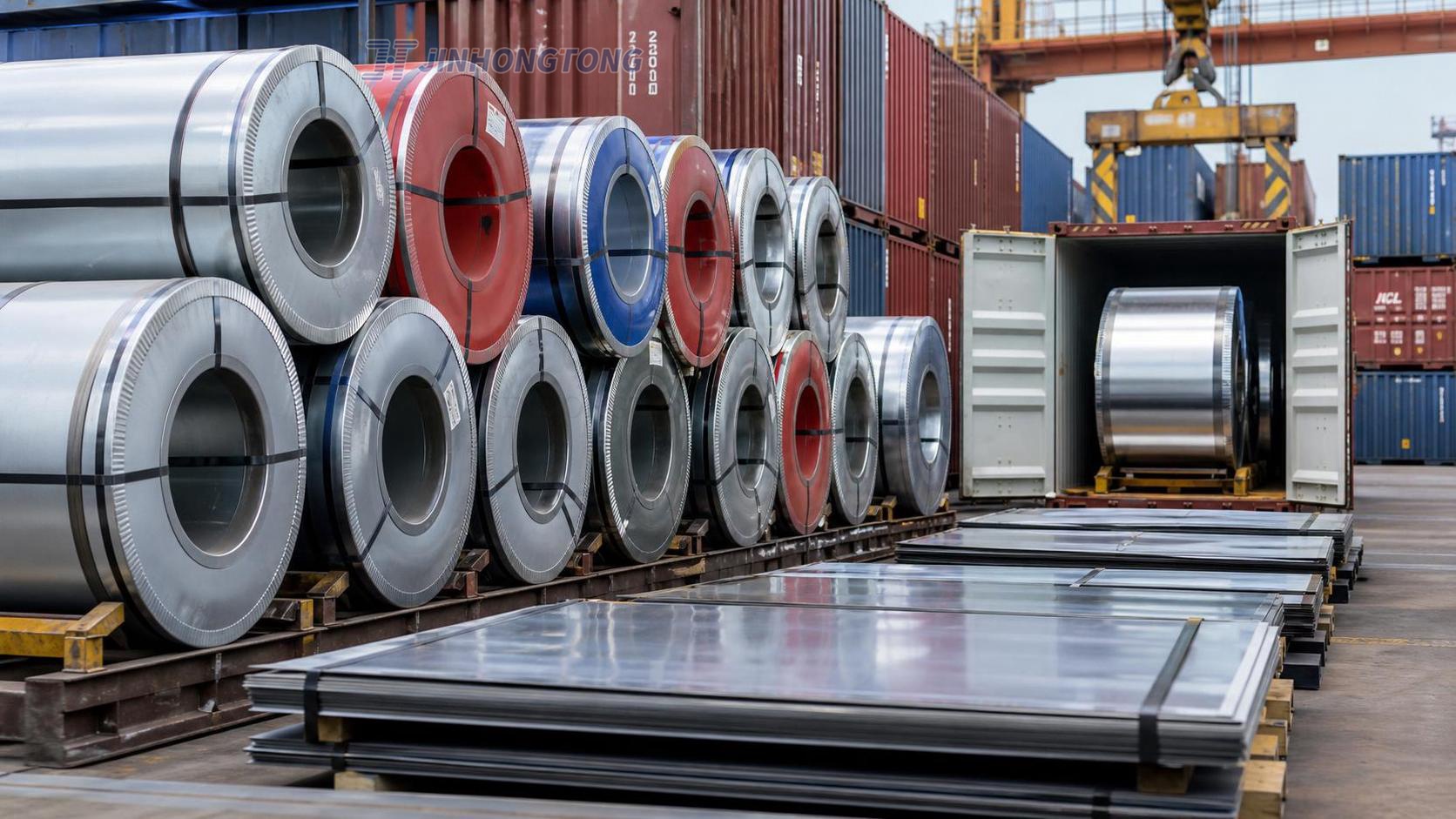
On June 15, 2026, the latest trade-rule change affecting flat steel flows into Turkey moved from investigation to confirmed market impact. In mid-June 2026, Turkey’s trade authority issued a final ruling imposing five-year anti-dumping duties of 22.37% to 32.40% on cold-rolled steel sheet, galvanized steel sheet, and pre-painted steel sheet from China. For exporters, buyers, processors, and supply-chain participants linked to these products, the development matters because the additional duty burden, layered on top of base import tariffs, materially changes price competitiveness and may alter procurement, delivery, and compliance decisions in a key Middle East outlet for Chinese cold-processed steel products.
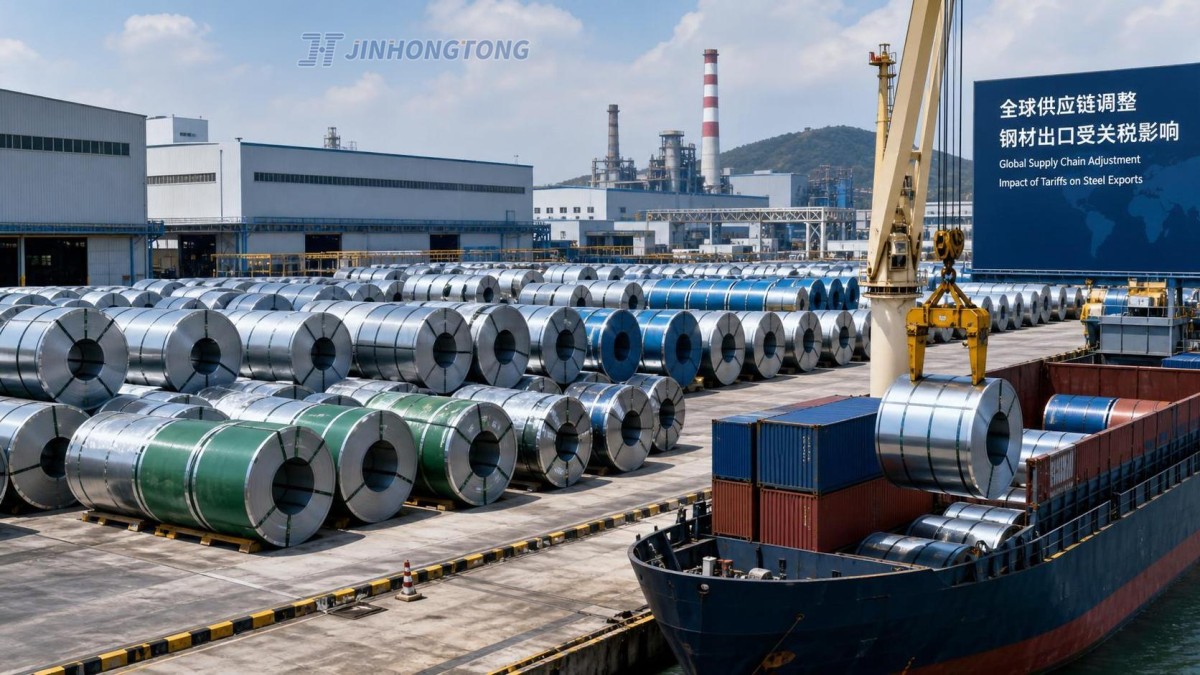
What the Final Measure Confirms
The confirmed event is a final trade remedy measure announced in mid-June 2026 and tied to the event date of June 15, 2026. The measure applies to Chinese-origin cold-rolled steel sheet, galvanized steel sheet, and pre-painted steel sheet, with anti-dumping duties set at 22.37% to 32.40% for a five-year period.
It is also confirmed that, after these duties are added to the underlying import tariff, ordinary Chinese sheet products have in practice largely lost price competitiveness in the Turkish market. The measure directly affects China’s largest Middle East export destination for these cold-series steel products, with exports to Turkey in 2025–2026 exceeding one million tons, accounting for 6% of cold-rolled exports to the Middle East and 4.45% of pre-painted exports.
Where the Pressure May Now Appear in Business Operations
Export contracts face a new pricing and execution threshold
From an industry perspective, Chinese exporters serving Turkey are likely to feel the immediate pressure first, because the rule change is not a marginal adjustment but a landed-cost shift tied directly to import treatment. The main business impact may appear in quotation validity, contract pricing, shipment planning, and customer acceptance of revised cost structures. What deserves closer attention is whether product descriptions, origin-related documentation, and commercial paperwork remain fully aligned with the goods actually shipped, as trade remedy exposure often makes document consistency more commercially sensitive.
Buyers and distributors may need to revisit sourcing logic
For import-side buyers, stockists, and distribution channels handling these product categories, the issue is not only higher nominal duty rates but the practical loss of price advantage for standard Chinese sheet products in the local market. Analysis shows that sourcing decisions, procurement timing, and supplier comparisons may need to be reassessed under the new tariff environment. Firms operating tenders, framework purchases, or routine replenishment programs should pay close attention to whether their procurement files, technical specifications, and delivery assumptions still match the economics of the affected supply route.
Processors and manufacturers may see indirect pressure on delivery planning
Companies that use cold-rolled, galvanized, or pre-painted steel as manufacturing inputs may be affected indirectly if supply arrangements tied to Turkey require repricing, supplier substitution, or revised delivery sequencing. Observably, the impact may show up less in the wording of the measure itself and more in downstream execution: purchase orders, lead-time assumptions, and order allocation decisions may all become more sensitive to trade-rule compliance and landed cost changes. Where imported material is linked to quality records or batch traceability, firms should pay attention to whether supporting technical documents and shipment records remain complete and consistent through the supply chain.
Logistics and trade service providers should monitor documentation risk
Supply-chain service providers, including those involved in customs handling, trade documentation, and shipment coordination, may face greater scrutiny around product classification, origin declarations, and file completeness. It is more appropriate to understand this as an execution-risk issue rather than only a freight issue: once anti-dumping duties are in force for five years, routine shipment processing can become more dependent on precise paperwork and clearer allocation of responsibility among sellers, buyers, and service partners.
What Companies Should Watch Next
Check whether internal product mapping matches the affected categories
Analysis shows that the first practical step is to confirm whether a company’s exported, purchased, or processed items fall within the affected cold-rolled, galvanized, or pre-painted sheet categories as described in commercial and technical records. This is less about broad market reaction and more about making sure sales files, specifications, internal SKU mapping, and shipping documents support a consistent compliance position.
Reassess quotations, tenders, and delivery commitments
Businesses with open offers, pending shipments, or active customer discussions related to Turkey should closely review price terms, validity periods, and delivery commitments. Because the summary confirms that Chinese ordinary sheet products have largely lost price competitiveness after the duties are combined with base tariffs, firms should not assume that earlier commercial assumptions remain workable without adjustment.
Track official wording and downstream execution practice
Because the input does not provide more detailed implementation language, companies should avoid treating every operational consequence as already settled. What deserves closer attention is the subsequent official wording, execution interpretation, and any changes that may appear in procurement documents, tender conditions, or customer-side compliance requests. This is especially relevant where business decisions depend on exact treatment of covered products and documentation requirements.
Prepare for closer scrutiny in trade and after-sales records
For firms that continue serving affected channels, document retention and traceability may become more important across the transaction cycle, including contract files, technical descriptions, inspection records, and delivery documentation. Observably, this is not evidence of a new certification regime in itself, but it is a signal that trade-rule changes can spill over into how quality, shipment, and after-sales records are reviewed in practice.
How This Change Is Best Understood Right Now
Analysis shows that this development is best read as a rule already moving into real commercial effect rather than as a distant policy signal. The reason is not only the announced duty range and five-year duration, but also the stated loss of price competitiveness for ordinary Chinese sheet products in Turkey once the anti-dumping burden is added to the base tariff.
At the same time, it would be premature to turn this into a fully settled picture of every downstream consequence. Observably, the market still needs to watch how buyers respond, how procurement documents evolve, and how companies adjust delivery, sourcing, and file management in practice. For industry participants, the key point is that a confirmed trade measure can reshape execution conditions even before broader market reactions become fully visible.
Why the Market Should Continue Following This Case
This case matters because it combines a formal trade remedy decision with immediate consequences for a major export destination for Chinese cold-series steel products in the Middle East. From an industry perspective, it is more appropriate to understand the event as a landed rule change with direct implications for pricing, sourcing, and transaction execution, while many secondary effects still require observation rather than assumption.
A rational reading is that the measure has already established a stricter trading environment for the affected products in Turkey, but the full operational shape of that environment will depend on how market participants, procurement practices, and compliance expectations respond over time.
Basis of This Article and Ongoing Verification
This article is generated based on the user-provided news title, event date, and event summary. For this type of development, relevant information is commonly cross-checked against official announcements, releases from trade or regulatory authorities, customs or trade administration information, industry association updates, standards-related documents, and reporting by authoritative media.
No specific official source link was provided in the input, so the exact official link remains to be verified on an ongoing basis. Observably, the items that still merit continued checking include any more detailed policy language, implementation interpretation, procurement document changes, market feedback, and how affected companies carry the measure into day-to-day execution.