

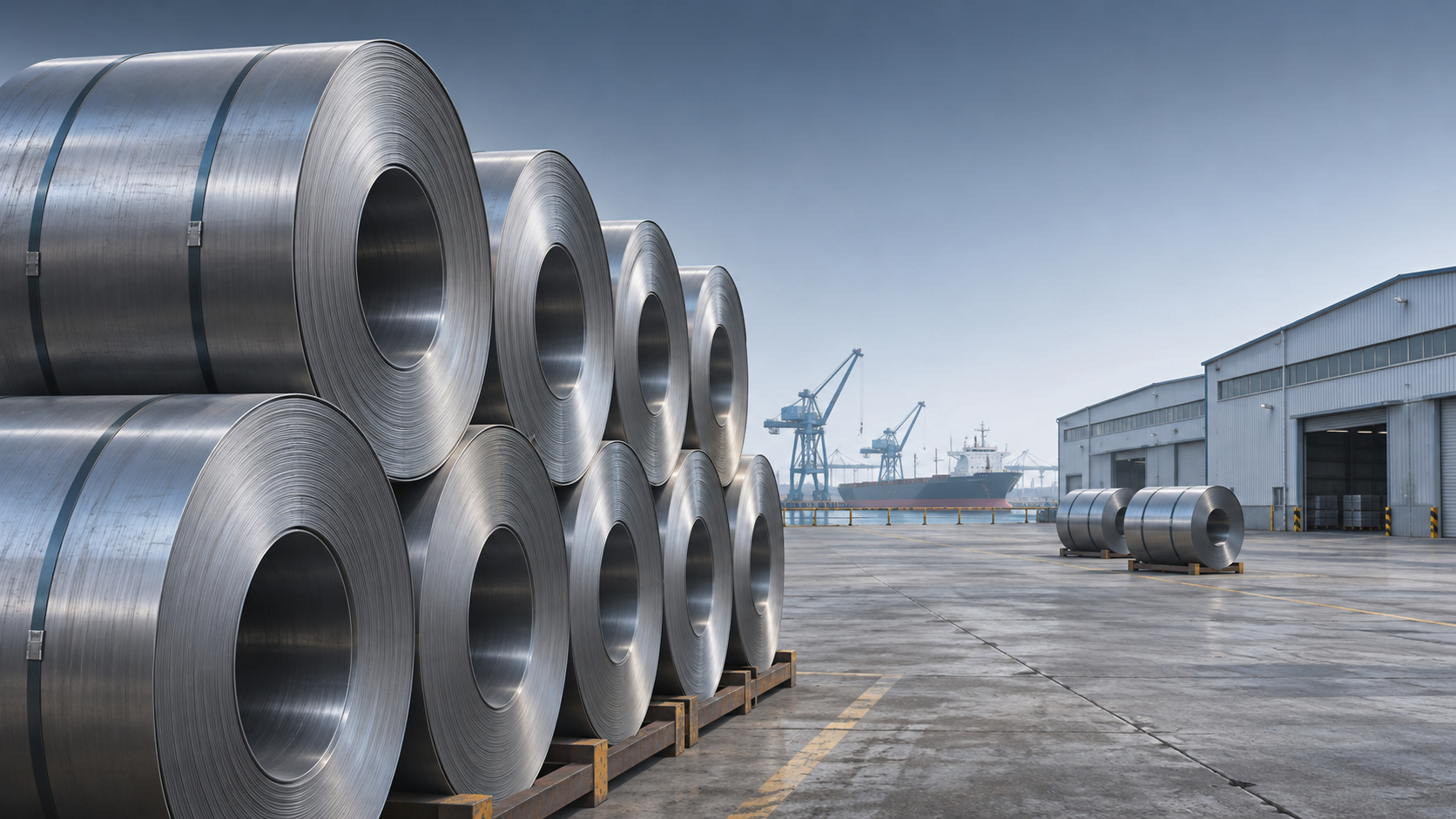
Latin American steelmaker Ternium is considering bringing more anti-dumping cases in Mexico against Asian steel imports, Reuters reported on November 11. The move comes as steel trade has become a focus of talks involving Mexico and the United States over the United States-Mexico-Canada Agreement (USMCA).
A Ternium executive said the company was assessing trade remedies aimed at Asian flat steel imports to protect market share for a new plant scheduled to begin production in 2027. The assessment signals a possible challenge to competing imports, although the consideration of further cases does not itself establish that new duties will follow.
For suppliers and buyers, the distinction matters. An anti-dumping case could change the conditions under which covered steel competes in Mexico, but its practical effect would depend on which products and imports are targeted, whether cases are filed and how any proceedings are resolved.
Why the proposed cases matter for flat steel
Ternium's stated concern links the import question to its future production capacity. A plant scheduled to come online in 2027 would enter a market where imported flat steel is already part of the competitive picture described by the company. Seeking trade remedies is one potential way to address that competition; it is separate from the plant's construction or eventual operation.
The immediate development is an assessment, not a confirmed change in import rules. If Ternium proceeds, the scope of any filing would be central to its commercial significance. The effect on an exporter or customer would depend on whether its particular products and transactions fall within the cases, as well as on the outcome of the proceedings.
Asian suppliers selling flat steel into Mexico could face greater uncertainty over future access or costs if cases advance. Mexican buyers, in turn, may need to consider how any measures affect the availability and relative cost of the products they purchase. Neither outcome follows automatically from Ternium's assessment: much would depend on the coverage and terms of any eventual decision.
Trade talks add a wider dimension
The potential cases are emerging while steel trade is a focus of USMCA discussions. That setting places Ternium's commercial concerns alongside broader questions about steel flows in North America, but the report does not establish that the contemplated cases are a result of those talks or that a particular negotiating outcome is imminent.
Any wider impact on regional trade would depend on decisions taken in both areas. Trade remedy proceedings could affect the competitive position of specified imports in Mexico, while the direction of the USMCA discussions could shape the broader context in which companies make supply and investment decisions. The relationship between those developments remains an issue to watch rather than a settled outcome.
The next meaningful signals would be an announcement that Ternium has filed cases, details of the products and imports covered, and any subsequent official decisions. Those developments would offer a clearer basis for assessing the consequences for Asian exporters, Mexican steel buyers and Ternium's planned production.