

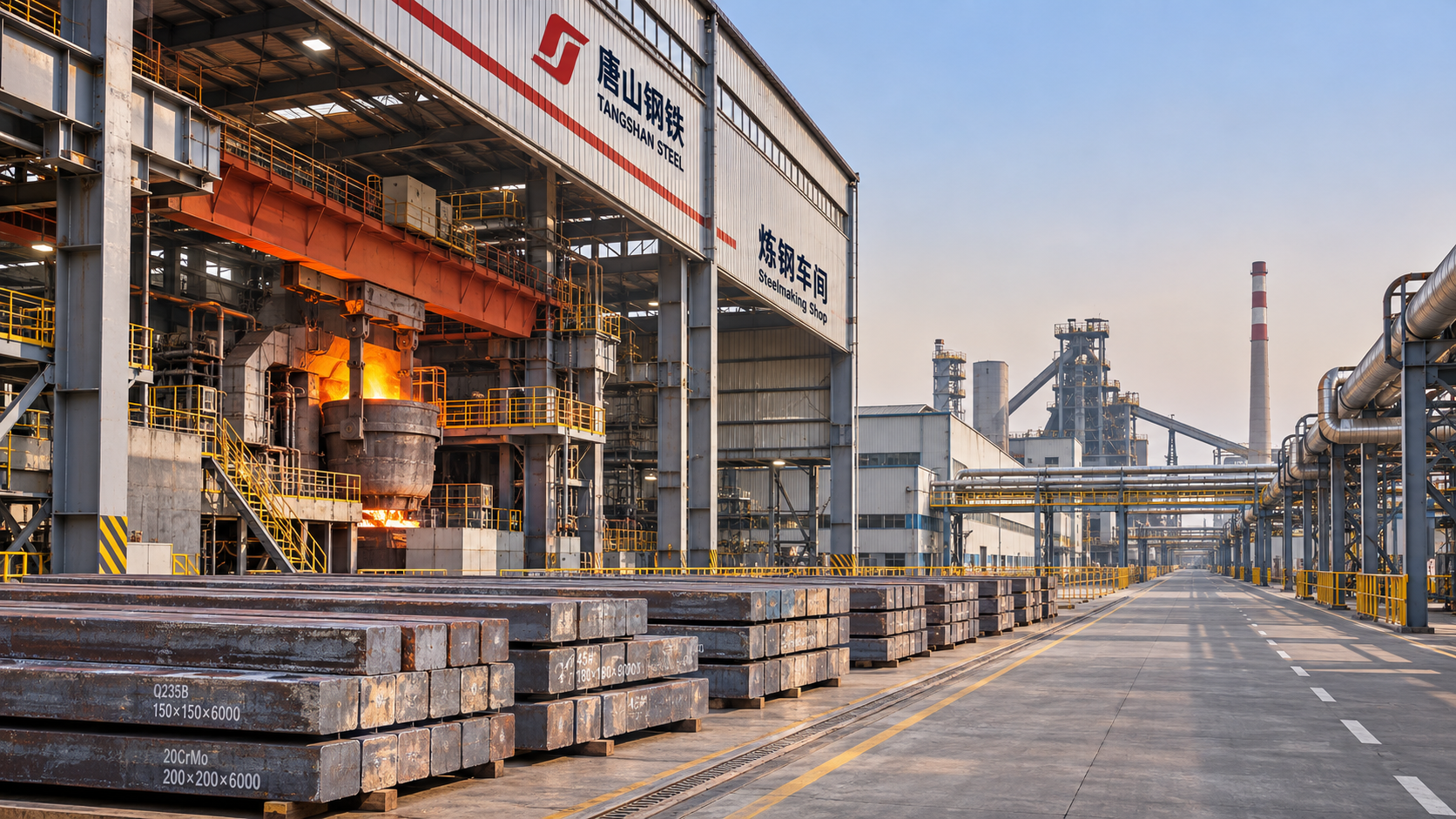
Tangshan will lift its Level II emergency response to heavy pollution at 12:00 on November 15, 2026, following a decision by the city's heavy pollution response headquarters, according to Mysteel. Steelmakers and other industrial enterprises whose production was restricted for environmental reasons are expected to gradually return to normal operations, changing the near-term outlook for regional steel supply.
The decision removes an emergency restriction on production, but the effect on steel availability will depend on how quickly affected facilities resume operations. A change in supply expectations can precede a measurable change in output or deliveries, so the announcement alone does not establish how much additional steel will reach the market.
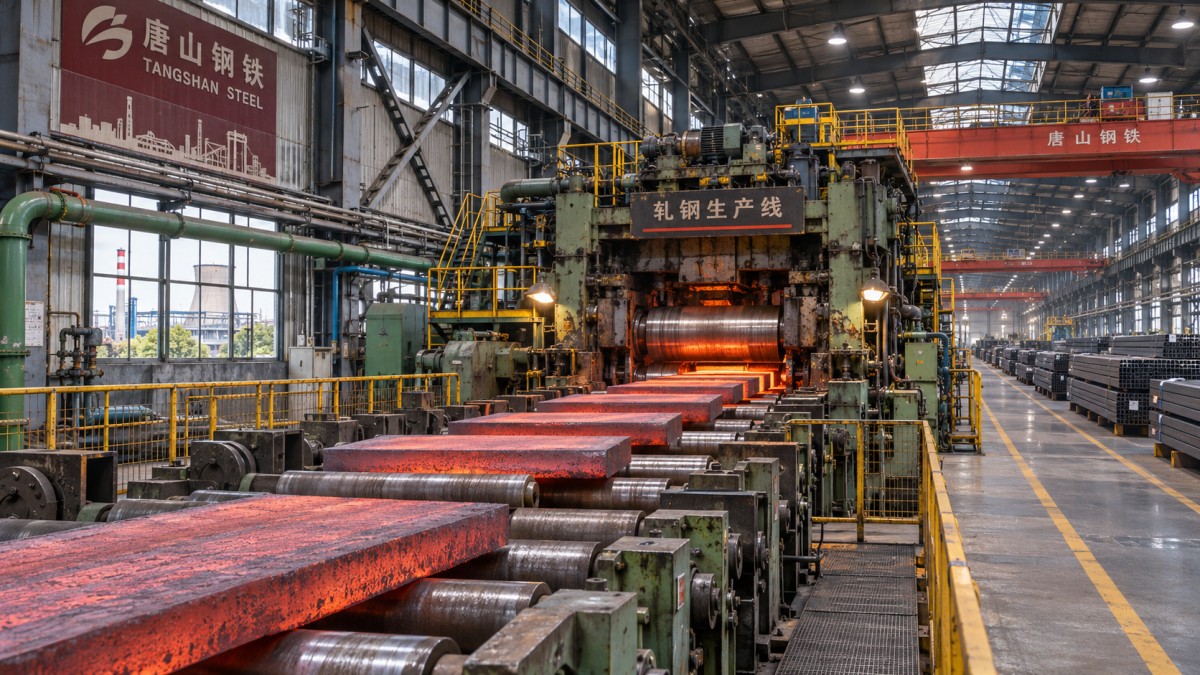
From lifted restrictions to steel supply
The most direct link between the response ending and the steel market runs through production. If affected steelmakers restore operating capacity, output could increase over time. The pace of that recovery, however, need not be uniform across enterprises or products. The decision sets a time for lifting the emergency response; it does not specify a production schedule for individual facilities.
For steel buyers, the distinction matters because the end of a restriction and the availability of finished material are separate stages. A producer's ability to take or fulfill orders may change as operations recover, but the announcement does not establish when particular products will be available or whether delivery terms will change.
The same distinction applies to suppliers serving industrial enterprises. A gradual return to normal production could alter demand for inputs and related services, although the timing and scale would depend on the operating plans of the affected businesses. The response also covered industrial enterprises beyond steel, but the available announcement does not identify their individual production arrangements.
What the announcement means for the market outlook
A potential increase in regional supply is a change in expectations, not a confirmed change in the balance between supply and demand. Even if steel output rises, its market effect will depend on the amount produced, the timing of deliveries and demand when that material becomes available.
For the same reason, lifting the response does not by itself establish a direction for steel prices. Additional supply could affect pricing conditions if it reaches the market faster than demand absorbs it. Other outcomes remain possible if the recovery is gradual or demand changes at the same time.
The immediate point to follow is how affected producers describe their return to normal operations. Subsequent public information on production and availability can help show whether the anticipated recovery is translating into additional supply. For customers with specific requirements, the relevant question is whether availability and delivery schedules for their products change as a result.
The decision therefore provides a clear endpoint for the Level II emergency response and a basis for reassessing regional supply expectations. The size and timing of any change in steel supply will emerge through the recovery of operations and the material that producers can bring to market.