

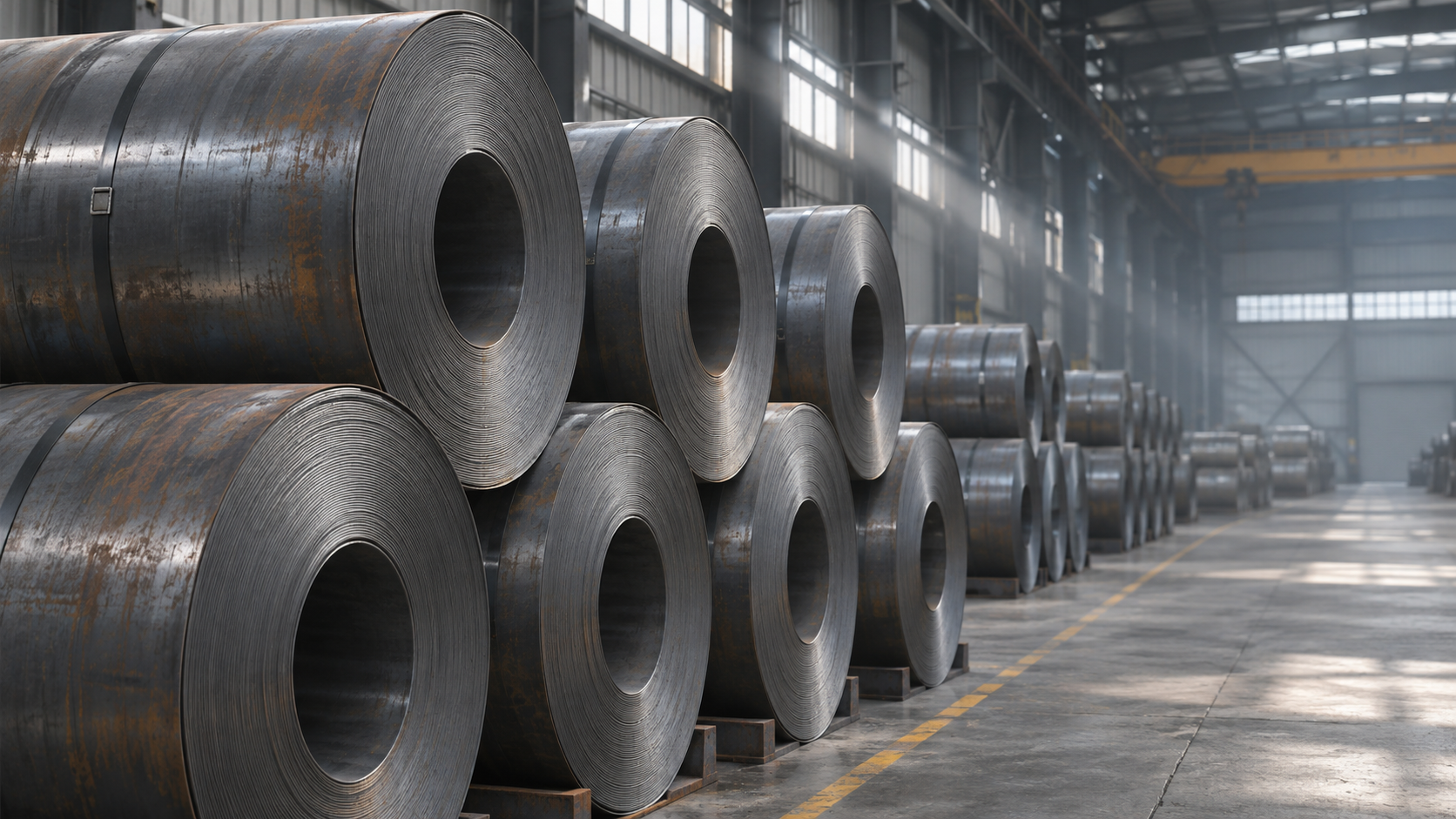
European hot-rolled coil (HRC) prices rose significantly in the week to November 19, 2026, according to GMK Center’s market assessment. The assessment put the price at €780 per tonne on an ex-works (EXW) basis in Northwest Europe and €775 per tonne EXW in Italy.
The weekly increase puts the cost of new HRC purchases in focus for steel buyers and businesses that use coil as an input. Its effect on any individual transaction, however, will depend on the price and terms agreed by the parties.
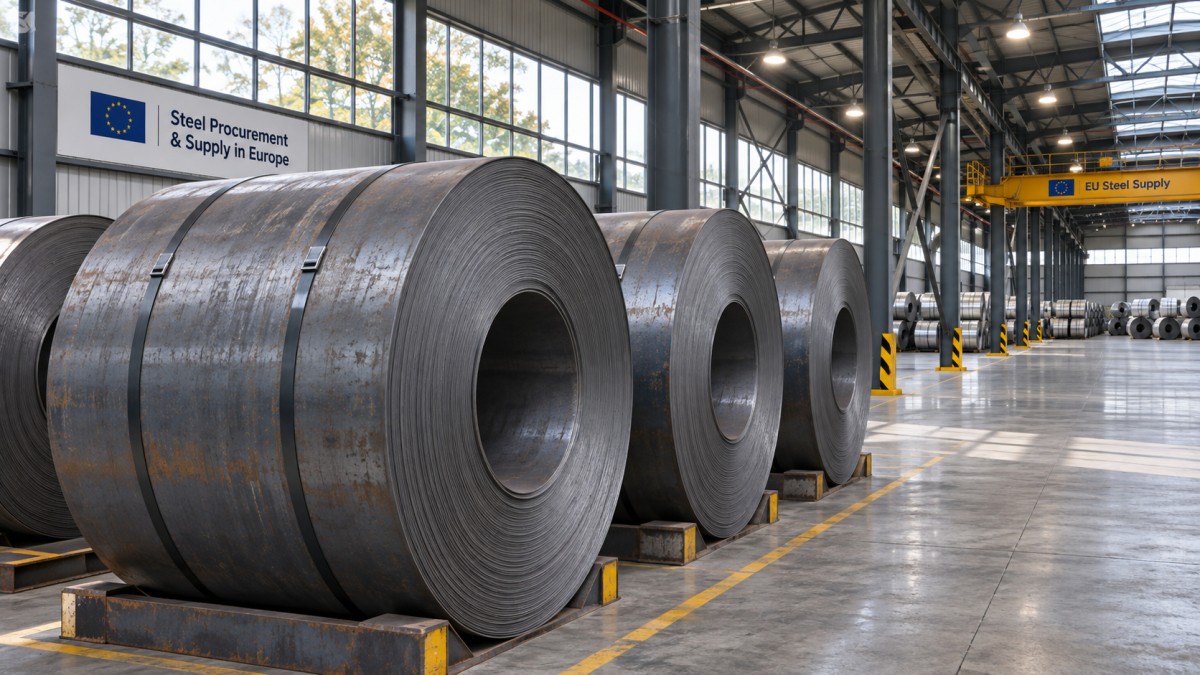
What the assessed prices show
The Northwest European assessment was €5 per tonne above the Italian assessment at the stated date. Both figures use an ex-works basis, which gives readers a common starting point for comparing the two assessments. A buyer’s total procurement cost can also depend on expenses and commercial terms beyond that price basis.
The reported rise indicates a significant upward movement over one week. It does not, on its own, establish how much prices rose in euros or percentage terms, or whether the increase was the same in both markets. The latest price levels also provide a snapshot rather than evidence that the pace of the increase will continue.
Where the increase could matter first
For buyers negotiating purchases against current market levels, a higher HRC price could increase the cost of securing material. The immediate exposure will vary: purchases priced at the time of negotiation may be affected differently from commitments whose prices have already been agreed.
For businesses that process HRC or use it in production, the question is whether a higher input cost can be reflected in the prices of their own products. The timing and extent of any adjustment would depend on purchase terms, sales contracts and customer demand. A rise in the assessed coil price therefore does not translate automatically into an equivalent rise in every downstream selling price.
Suppliers and buyers will also have reason to distinguish the price assessment from the terms of an individual deal. The assessment signals a change in the market level; the price paid for a particular order can depend on its specifications and commercial conditions.
What to watch next
The weekly rise points to changes in the market, but the reported figures do not identify the contribution of supply, demand or costs to the increase. Further price assessments will help show whether the movement continues, stabilizes or reverses. Changes in the relationship between the Northwest European and Italian assessments may also help readers track how the two markets develop.
For procurement and downstream pricing, the duration of the increase matters as much as the latest level. A sustained rise could affect a broader set of future negotiations, while a short-lived movement may have a more limited effect on businesses whose prices are set over longer periods.