

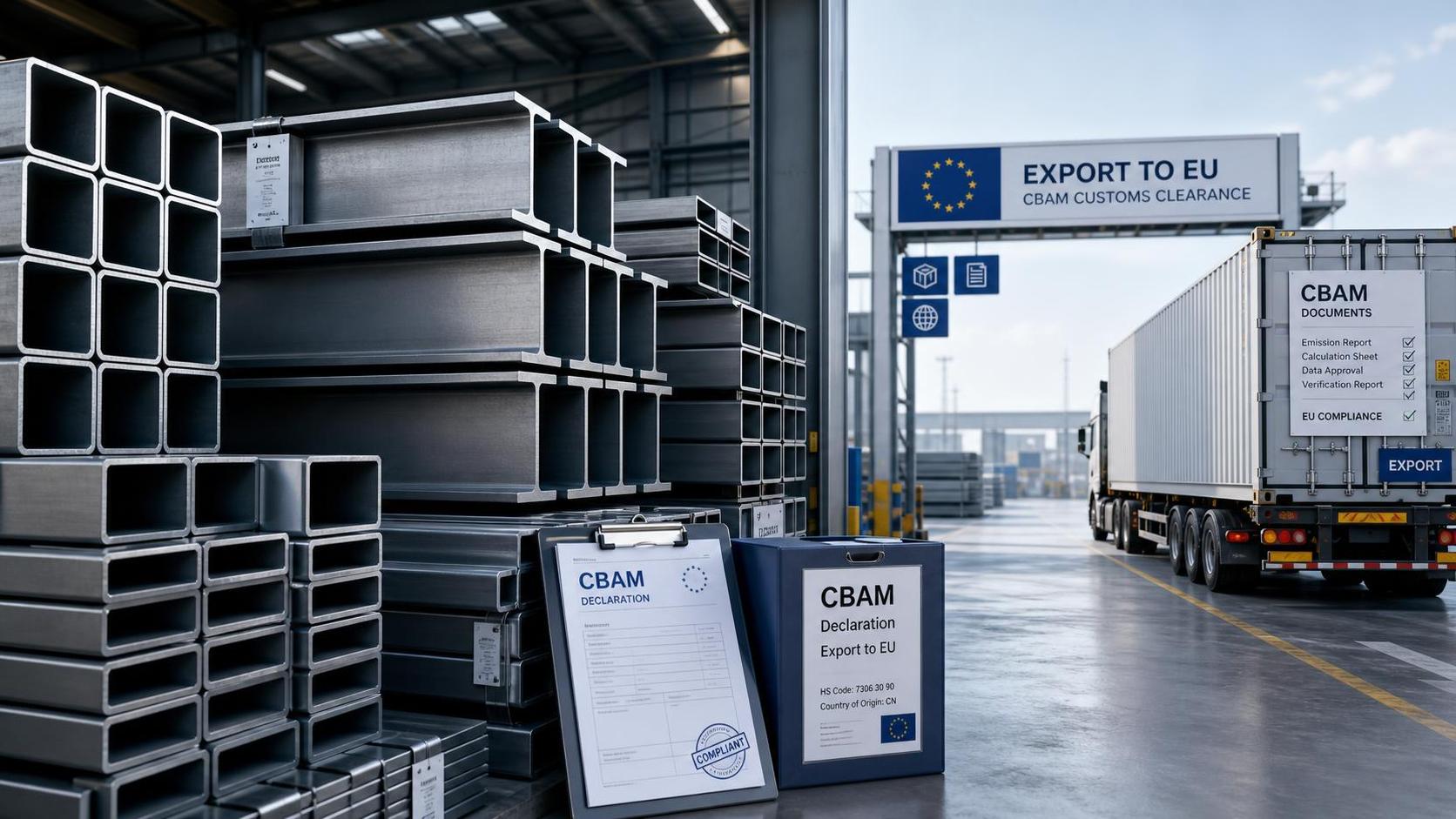
On October 1, 2026, the European Commission formally put CBAM Phase 3 into effect for steel semi-finished products and downstream items such as profiles, after announcing the move on August 1, 2026. For importers serving the EU market, the immediate issue is no longer policy direction but execution: certified embedded carbon data now has to be filed through the EU CBAM portal, and any gap in reporting may affect customs clearance. This is especially relevant for steel exporters, profile suppliers, importers, processors, and supply chain partners tied to China-EU deliveries, because the requirement reaches back into upstream materials and production routes rather than stopping at the finished product level.
What Has Entered Into Force
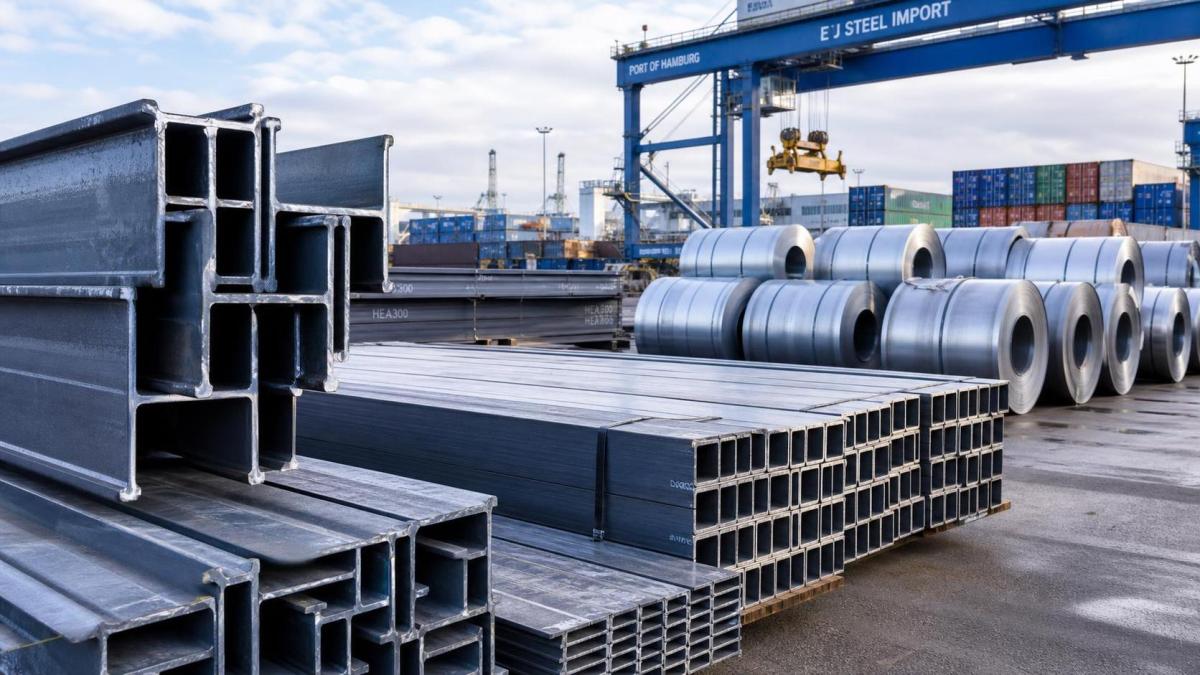
According to the provided information, the European Commission issued an official announcement on August 1, 2026, confirming that CBAM Phase 3 would take effect on October 1, 2026. The scope described in the announcement covers steel semi-finished products and downstream products including profiles.
Importers are required to submit certified embedded carbon emissions data through the EU CBAM portal. The reporting content includes upstream iron ore and coke, electric arc furnace or blast furnace production routes, and the rolling stage. The provided information also states that non-compliant declarations may lead to customs delays or refusal of entry.
The stated direct impact falls on Chinese steel and steel profile exporters serving the European market, particularly in delivery timing, cost structure, and the way companies work with certification partners.
Where the Pressure Will Be Felt First
Trade flows face a documentation-driven checkpoint
From an industry perspective, direct trading companies and EU importers are likely to feel the effect first because the new requirement is tied to customs-facing submission. The key pressure point is not only whether goods are shipped, but whether the embedded carbon file is complete, certified, and aligned with the product being declared. What deserves closer attention is the risk that commercial delivery schedules may now be constrained by data readiness as much as by production or logistics.
Manufacturing data moves closer to the transaction
For processors and manufacturers of steel semi-finished products and profiles, the impact is likely to show up in production data collection and coordination. Because the required information includes upstream inputs and process routes such as electric arc furnace or blast furnace production and rolling, export-facing manufacturers may need to connect shop-floor information more directly with customer-facing compliance requests. Observably, this shifts part of the export burden from price and lead time alone toward traceable emissions documentation.
Certification and supply chain coordination become operational issues
Supply chain service providers and certification-related partners may also see a heavier role in transaction execution. The requirement for certified embedded emissions means that supporting parties are no longer peripheral to the shipment process. Analysis shows that coordination across suppliers, processors, documentation teams, and importers may become a practical bottleneck where responsibilities are unclear or information is fragmented.
What Companies Should Watch Now
Whether product-level files can be assembled on time
For companies shipping to the EU, the first practical question is whether product-linked emissions information can be assembled in a usable form before customs-facing submission is required. The issue is not abstract compliance planning; it is whether each shipment can be matched with certified embedded carbon data covering the upstream and rolling stages identified in the provided information.
How customer communication changes around delivery commitments
What deserves closer attention is the commercial side of compliance. If customs delay or refusal becomes a real risk in cases of incomplete declaration, exporters and importers may need to revisit how delivery promises, document cut-off times, and responsibility boundaries are discussed with customers. This is particularly relevant for profile products tied to fixed project schedules or narrow receiving windows.
How certification relationships are structured in practice
The provided information specifically points to changes in certification cooperation models. From an operational perspective, companies should watch how certification work is allocated, how evidence is organized, and how quickly supporting documents can move between upstream suppliers, manufacturers, and importers. The practical issue is less about broad sustainability messaging and more about whether the certification process fits real shipment cycles.
Whether official language or implementation details continue to evolve
Although the effective date is clear in the provided information, companies should continue monitoring any subsequent official wording, portal-related instructions, or interpretive clarifications connected to the same requirement. Analysis shows that the difference between a formal rule and day-to-day filing practice can be material for customs timing, document preparation, and internal workload.
How This Should Be Read at This Stage
Observably, this is more than a headline policy update and less than a fully settled end state for business practice. It is more appropriate to understand this as a clear operational signal: for covered steel products, carbon reporting is moving into the transaction itself, and import eligibility is tied more directly to data completeness. At the same time, the longer-term commercial effect on pricing, supplier selection, and cooperation models still requires continued observation because the provided information confirms the rule and its immediate compliance consequence, but does not establish broader market outcomes.
A Near-Term Compliance Shift With Longer-Term Implications
In summary, the start of CBAM Phase 3 for steel semi-finished products and profiles should be read as an immediate compliance change for companies trading into the EU and as a longer-term signal for how carbon data will be treated in cross-border steel transactions. The confirmed facts already point to stricter reporting expectations and customs consequences for non-compliance. From an industry perspective, the most balanced reading is that this is a short-term operational change with potential longer-term effects on cost allocation, delivery organization, and certification cooperation, all of which still need close watching.
Basis of This Article and Ongoing Verification
This article is based on the user-provided news title, event date, and event summary concerning the European Commission's implementation of CBAM Phase 3 for steel products as of October 1, 2026. For this type of industry update, commonly relevant source categories may include official announcements, company disclosures, industry association information, authoritative media coverage, and standards-related documents. A specific official source link was not provided in the input, so continued verification remains necessary. What should continue to be monitored includes any further official clarification, filing practice through the EU CBAM portal, and how reporting requirements are applied in actual shipment and customs workflows.