

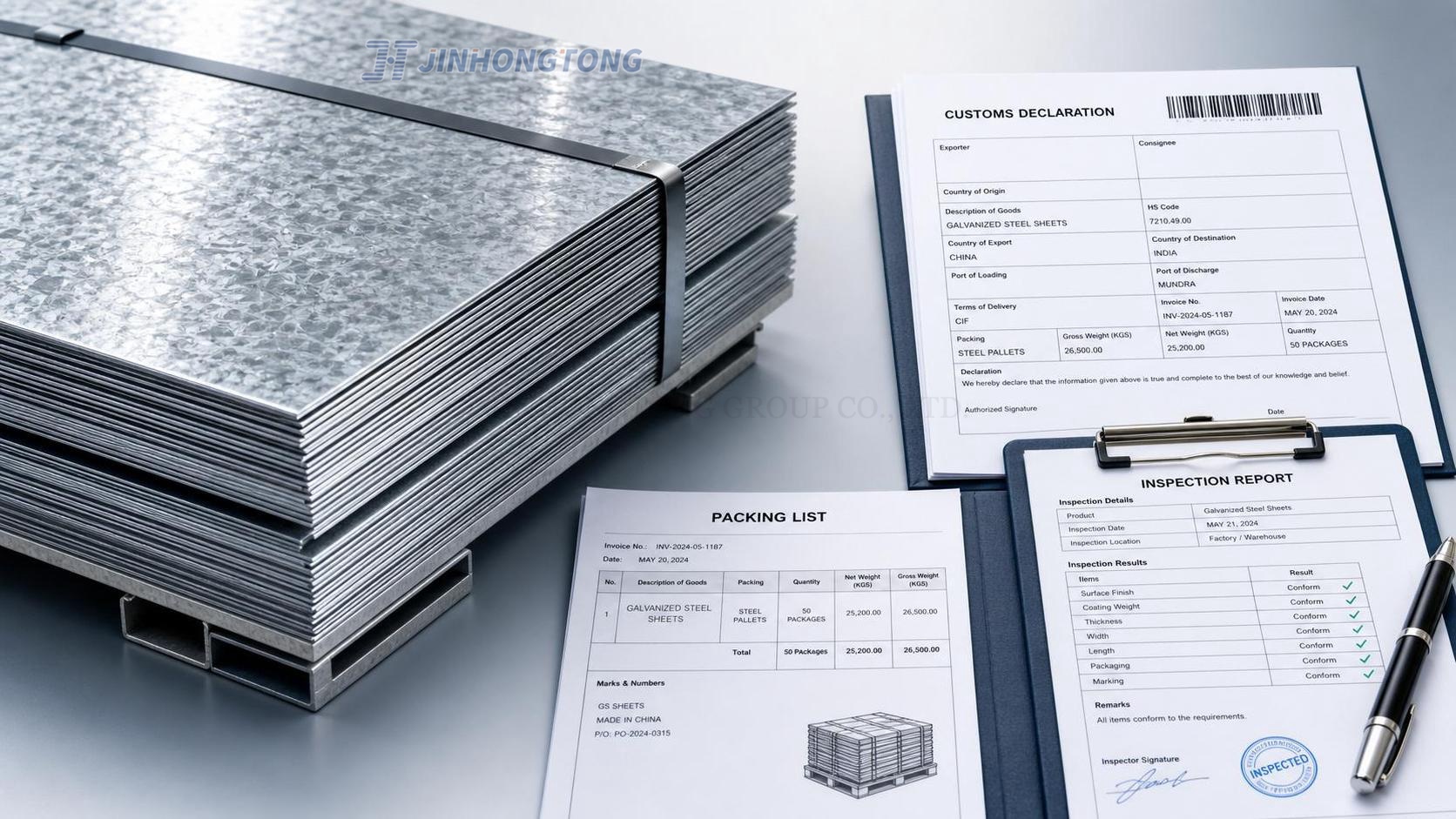
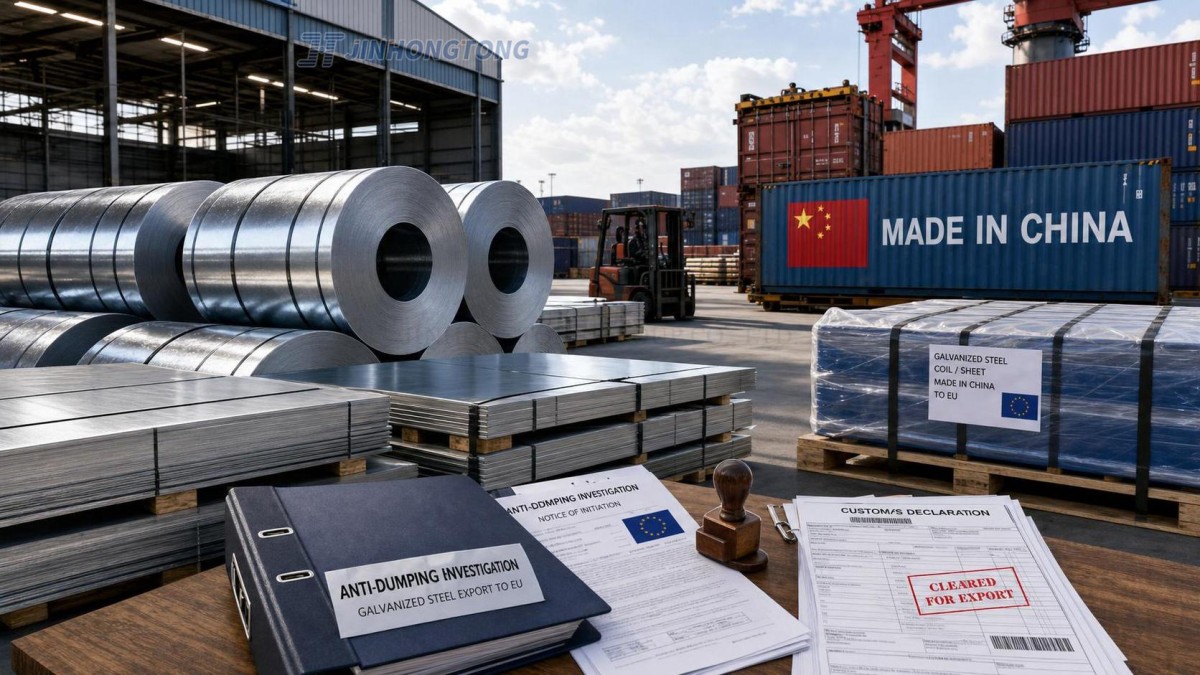
On 24 June 2026, the European Commission opened an anti-dumping investigation into galvanized steel sheets originating in China, covering HS codes 7210 and 7212. For companies linked to building materials, household appliances, and automotive parts exports, the key issue is not only the investigation itself, but also the possibility of future temporary duties and the knock-on effects on customs documents, origin compliance, and contract execution timelines.
What the 24 June filing means in practice
The confirmed fact is straightforward: on 24 June 2026, the European Commission formally initiated an anti-dumping investigation concerning galvanized steel sheets from China, under HS codes 7210 and 7212. The products covered are described as widely used in exports for construction, home appliances, and automotive parts. The filing also signals that temporary tariffs may be imposed later, and that customs clearance paperwork, origin-related compliance, and purchase contract fulfillment cycles may be affected.
Where the pressure may appear along the chain
Importers and distributors may need to revisit stocking and cost assumptions
For EU importers and distributors, the immediate effect is likely to show up in inventory planning and cost calculations. Analysis shows that once an anti-dumping case is opened, companies often need to recheck landed-cost assumptions, documentation readiness, and supplier exposure across current and pending orders.
Suppliers tied to construction, appliances, and auto parts face document scrutiny
Businesses supplying galvanized steel sheets into these downstream sectors may see closer review of origin records and customs documents. The practical impact is concentrated in sourcing verification, shipment preparation, and the ability to support claims made in trade and procurement files.
Procurement and contract teams may feel timing and compliance pressure
What deserves closer attention is the effect on procurement contracts and delivery schedules. If the investigation later leads to temporary duties, purchasing terms, replenishment timing, and supplier review cycles may need to be adjusted, especially where contracts depend on stable clearance conditions.
What companies should watch next
Keep origin and customs files aligned
Companies handling affected goods should review origin documentation, customs declarations, and shipment records now, rather than waiting for any later trade measure. The key point is to make sure the files used for clearance can support compliance checks if scrutiny increases.
Check contract terms against possible trade-cost changes
Businesses should examine pricing clauses, delivery commitments, and responsibility splits in purchase contracts. Since the filing may affect fulfillment cycles and cost expectations, contract language should be checked for how tariff-related changes are handled.
Reassess supplier qualification and replenishment plans
Importers and distributors may need to revisit supplier approval lists and replenishment schedules. It is more appropriate to understand this as a signal to tighten review discipline, especially for goods that feed into export-oriented industries.
An early signal, not a final trade outcome
Observably, this case is best read as a regulatory signal rather than a completed market outcome. The filing shows that trade compliance, customs documentation, and procurement execution are now closely linked in this product category, but the practical impact will still depend on how the investigation develops and how any later measures are written and applied.
How to read this development now
The broader industry meaning is clear: this is a rule-change watchpoint for cross-border trade in galvanized steel sheets, not a conclusion about final tariffs. For now, the most rational reading is to treat it as an active compliance and procurement risk that requires continued monitoring of official wording, execution guidance, and market feedback.
Source note and follow-up items
This article was generated based on the user-provided title, event date, and event summary. Typical source types for this kind of development include official announcements, regulator releases, customs or trade authority updates, industry association notices, standard-setting documents, and authoritative media reports. The specific official source link was not provided in the input and should continue to be verified. Follow-up monitoring should focus on any detailed procedural wording, compliance expectations, tender or procurement file changes, industry feedback, and how affected companies adjust execution.