

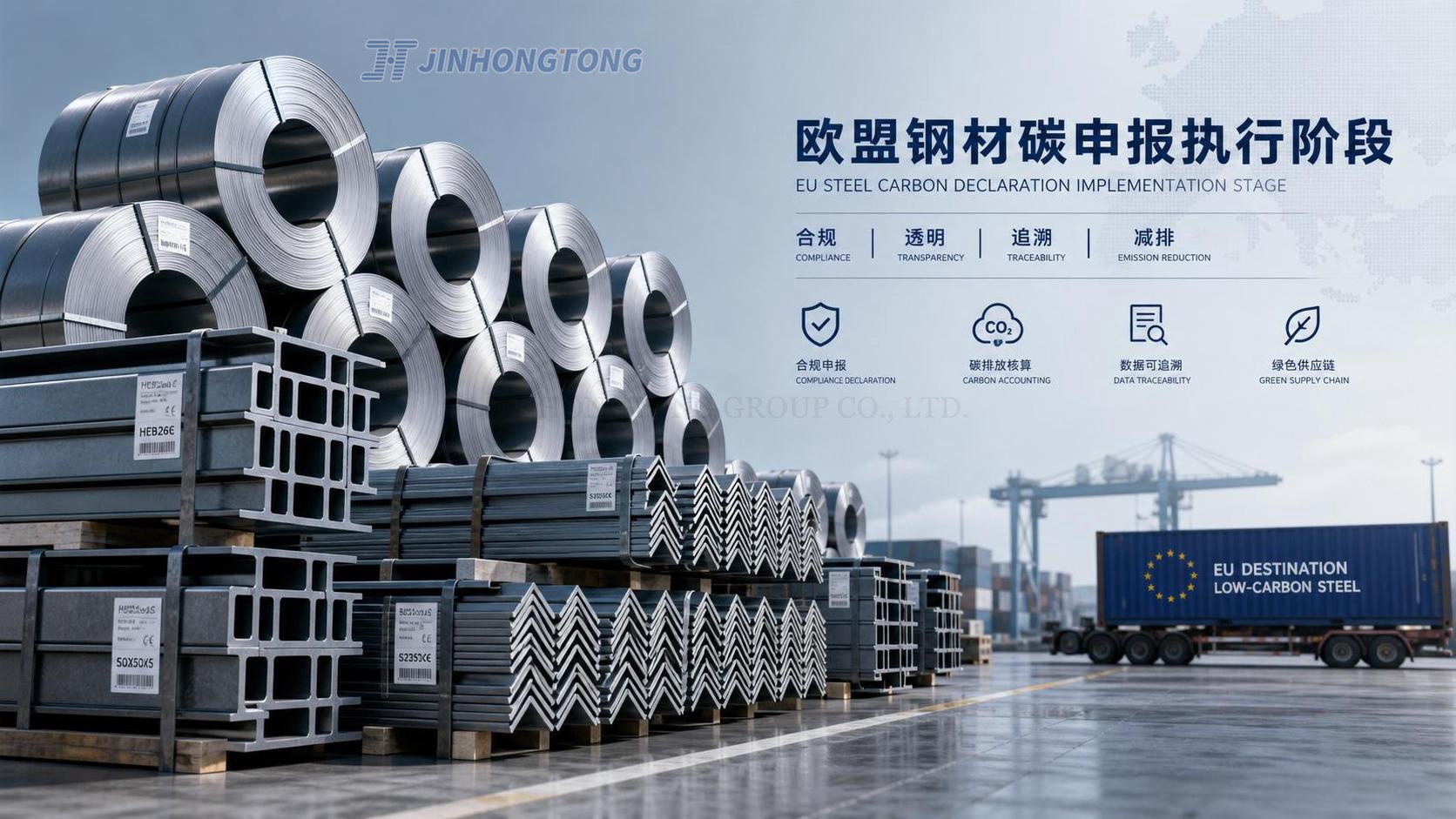
From 1 July 2026, the EU Carbon Border Adjustment Mechanism (CBAM) moves steel products such as hot-rolled coil, H-beams, angle steel, and other sections into the second phase of its transition period. The immediate change is operational rather than theoretical: importers must submit batch-level embedded carbon emissions data and overseas emissions-reduction credentials through the CBAM registration system. For exporters shipping steel into the EU, especially those serving Chinese supply chains, this is a practical compliance issue affecting documentation, third-party verification coordination, customs handling, and how carbon-related costs are allocated between trading parties.
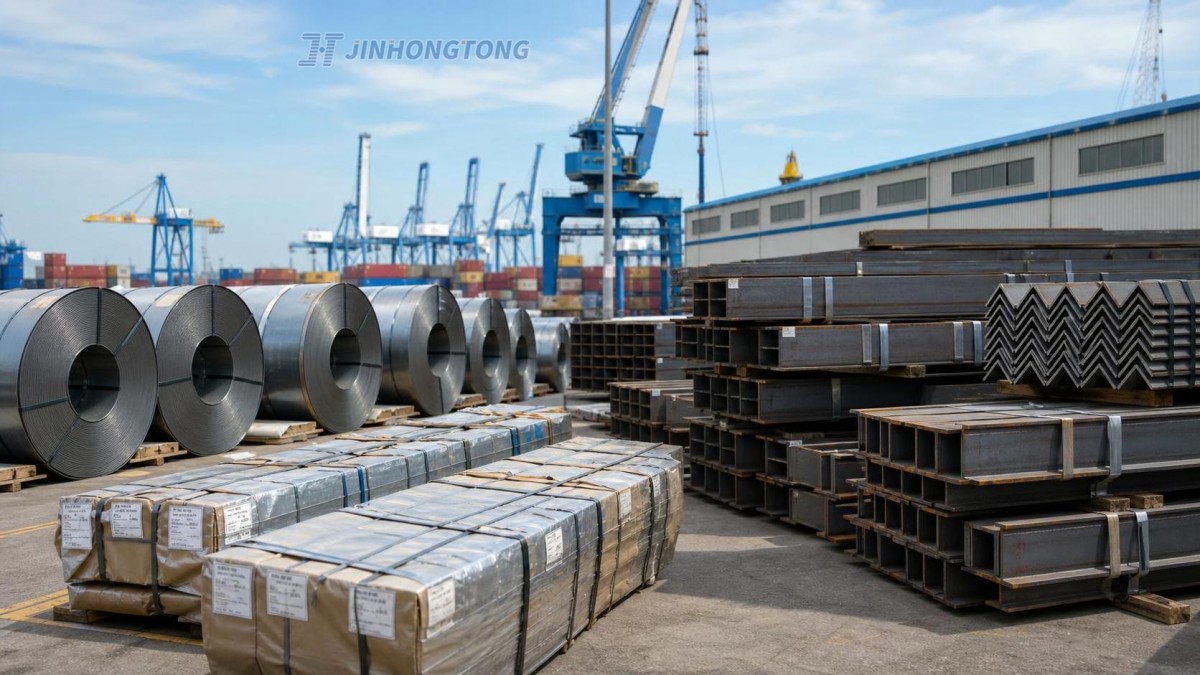
What has changed from 1 July
According to the information provided, the change takes effect on 1 July 2026. It applies to steel products covered in the summary, including hot-rolled coil, H-beams, angle steel, and related sections. Importers are required to file the embedded carbon emissions of each batch of steel through the CBAM registration system and submit supporting credentials for emissions reduction achieved outside the EU.
The same information also states that non-compliant reporting may lead to customs clearance delays or refusal of entry. The requirement directly affects document preparation for steel shipments from China to the EU, cooperation with third-party verification providers, and the way compliance-related costs are shared between counterparties.
Where the pressure will appear in the supply chain
Export shipments now depend more heavily on document readiness
For direct trading companies and export-oriented steel suppliers, the main impact is on shipment preparation. Because reporting is tied to each batch, the commercial flow and the compliance flow become more closely linked. What deserves closer attention is whether shipment files, emissions data, and supporting credentials can be assembled in a form that the importer can actually use in the CBAM system before customs processing is affected.
Import-side procurement will need closer supplier coordination
For buyers and procurement teams sourcing steel into the EU market, the rule change creates a stronger need to align supplier information with import procedures. Analysis shows that procurement decisions may no longer rest only on product specification, price, and delivery timing. Suppliers that cannot provide complete emissions-related documents or support verification may introduce clearance risk into the purchasing process.
Verification and service providers may move closer to the transaction workflow
For third-party verification and supply chain service participants, the summary points to a more direct role in execution. Observably, the requirement is not limited to a policy statement; it touches the practical interface between exporter, importer, and customs handling. This means verification cooperation, document handover timing, and responsibility boundaries are likely to become more important in day-to-day shipment management.
Practical issues companies should watch now
Batch-level records need to match shipment documents
From an industry perspective, one immediate focus is the consistency between batch-level carbon reporting and the shipment records used for export and import processing. The information provided does not set out a detailed filing format, so companies should treat this as a compliance preparation issue and pay attention to how product, batch, and supporting records are organized for handover.
Third-party verification should be built into the shipping timetable
The summary explicitly mentions cooperation with third-party verification. It is more appropriate to understand this as a workflow issue that may affect dispatch timing, rather than as a standalone advisory item. Where verification support is needed, companies should watch whether documentation review and confirmation steps could affect delivery schedules or customs processing windows.
Contract terms may need closer review on cost sharing
The provided information also points to cost allocation mechanisms. Analysis shows that this matters commercially because the reporting duty sits with the importer, while the underlying emissions data and supporting credentials may need to come from upstream suppliers or exporters. Companies involved in EU-bound steel trade should therefore pay attention to how compliance costs, verification expenses, and delay-related risks are addressed in transaction documents.
Priority product lines deserve earlier internal checks
Because the summary specifically names hot-rolled coil, H-beams, angle steel, and similar sections, businesses handling these products should give earlier attention to whether their current order, documentation, and delivery arrangements are compatible with the new reporting requirement. The input does not provide a broader product scope, so any wider interpretation still needs verification.
Why this reads as an execution signal
Observably, this development is better understood as an implementation-stage signal than as a distant policy direction. The requirement starts from a defined date, applies through a registration system, and carries stated customs consequences for non-compliance. At the same time, analysis shows that the market still needs to watch how filing expectations, supporting-document standards, and practical review thresholds are applied in execution, because those details are not fully described in the provided information.
How to read the current stage
The most balanced reading is that the rule change has already moved into an operational phase for affected steel trade, especially for shipments into the EU that rely on timely customs clearance. It should not be treated as a general policy backdrop. At the same time, it is still more appropriate to understand the situation as a live compliance development whose detailed execution effects will depend on documentation practice, verification cooperation, and the way counterparties adapt their delivery and cost-sharing arrangements.
About the basis of this article
This article is generated from the user-provided news title, event time, and event summary. For events of this type, commonly relevant source categories may include official notices, regulator publications, customs or trade authority information, industry association releases, standard-setting documents, and reporting by established industry media. No specific official source link was provided in the input, so the exact official reference still requires follow-up verification. Ongoing attention should remain on later policy details, certification and verification interpretations, procurement and tender document changes, market feedback, and how companies implement the requirement in actual shipments.