


On July 28, 2026, the EU moved steel imports into the third implementation phase of CBAM, extending the requirement to hot-rolled, cold-rolled, and structural sections including H-beams, angle steel, and channels. Importers must now submit certified embedded carbon emissions data in tCO2e per ton through the EU CBAM portal, making this an immediate compliance issue for steel exporters, overseas distributors, and customs-related supply chain operations because shipments without the required data can be denied clearance.
What Has Officially Taken Effect
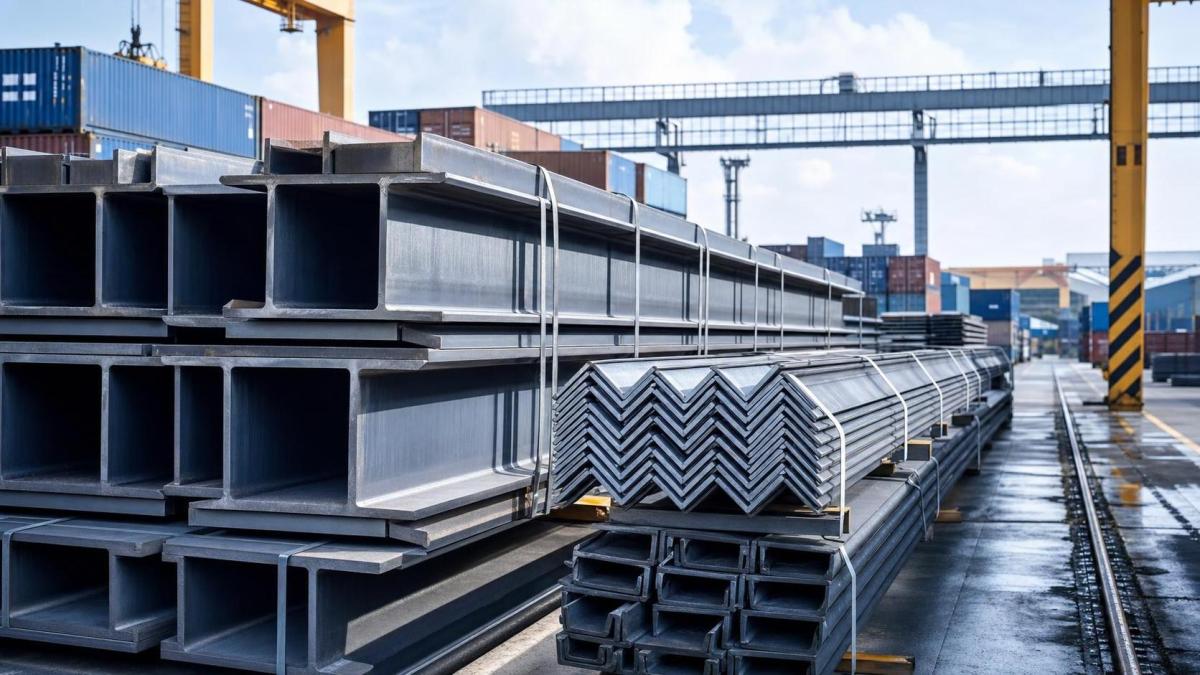
According to the provided event information, the third phase of the EU Carbon Border Adjustment Mechanism took effect on July 28, 2026. Its scope covers all imports of hot-rolled products, cold-rolled products, and structural steel sections such as H-beams, angle steel, and channels.
The same information states that importers are required to file certified embedded carbon emissions values through the EU CBAM portal, expressed as tCO2e per ton. If this requirement is not met, the goods may be refused customs clearance.
The provided summary also makes clear that the requirement directly affects compliance preparation for Chinese steel exporters, increases the need for third-party verification, and can influence delivery timing. Overseas distributors are also required to update procurement agreements and customs clearance procedures.
Where the Immediate Pressure Will Be Felt
Export transactions now depend on emissions documentation
From an industry perspective, direct trading companies are likely to feel the change first because the new requirement is tied to whether imported goods can clear customs. The practical impact is not limited to product shipment itself; it reaches document readiness, transaction timing, and coordination between exporter and importer.
Verification work becomes part of the delivery timeline
Analysis shows that compliance is no longer only a legal or reporting matter. For steel exporters, especially those shipping covered sections into the EU market, third-party verification costs and preparation steps become part of the shipment process. What deserves closer attention is that lead time may be affected not only by production and transport, but also by whether certified emissions data is available in time.
Distributors and import-side operators must revise process control
Overseas distributors and import-side channel operators are also directly exposed because procurement contracts and customs workflows need to reflect the new filing requirement. Observably, the risk now sits at the point where commercial terms, supporting documents, and clearance procedures meet. A mismatch between purchase terms and CBAM filing obligations could create avoidable disruption.
Supply chain service providers face a documentation coordination role
For logistics, customs, and related service providers, the key issue is process coordination. Even without changing the physical movement of goods, the need for certified embedded carbon data creates another control point before clearance. The business concern is whether all required parties are aligned on document responsibility and submission timing.
What Companies Should Focus On Now
Check whether covered product categories are already in active shipments
Companies dealing in hot-rolled, cold-rolled, or structural sections should review whether their current EU-bound products fall within the covered scope described in the event summary. This is a practical first step because the compliance question begins with product classification and shipment destination, not with broad policy discussion.
Clarify who provides, verifies, and submits the emissions data
What deserves closer attention is the division of responsibility across exporter, importer, and service providers. The event information confirms that importers must submit certified embedded carbon emissions data through the EU CBAM portal, but in practice companies need to align upstream data preparation, third-party verification, and filing readiness before cargo reaches customs.
Update contract language and customs procedures without delay
Analysis shows that procurement agreements and customs clearance procedures can no longer treat emissions reporting as a side issue. Overseas distributors in particular should check whether current purchasing terms, document requests, and clearance instructions are consistent with the new requirement, since a missing or non-compliant submission can affect release of goods.
Separate policy headlines from operational execution
There is also a practical difference between knowing that CBAM Phase 3 has started and being operationally ready for it. Companies should pay attention to whether internal teams, suppliers, verification parties, and import-side partners can support actual filing and shipment execution within normal delivery windows.
Why This Looks Like More Than a Short-Term Filing Change
Observably, this development should be read as an active compliance threshold rather than a symbolic policy update. The reason is straightforward: the requirement is linked to customs clearance, which means it affects the ability of covered steel products to enter the EU market under normal trade procedures.
At the same time, it is more appropriate to understand this as a stage in implementation rather than a fully settled endpoint. The confirmed facts show what must now be submitted and which product groups are covered, but the operational burden on exporters, importers, and distributors will continue to depend on how quickly business processes adapt around verification, documentation, and contract execution.
How the Market Should Read This Development
In practical terms, this news matters because it moves carbon data from a reporting topic into a shipment condition for covered steel imports. For exporters, distributors, and service providers, the immediate issue is not abstract market sentiment but whether product data, verification work, and customs procedures are aligned well enough to avoid disruption.
It is more appropriate to understand the change as both an immediate operational requirement and a longer-term compliance signal. The short-term effect is concentrated in documentation, verification cost, and delivery timing. The longer-term implication, based on the provided information, is that market access for covered steel categories increasingly depends on emissions-related readiness.
Basis of This Article and Ongoing Verification
This article is based on the user-provided news title, event date, and event summary. The analysis is limited to the confirmed information that the EU CBAM third implementation phase took effect on July 28, 2026, that it covers hot-rolled, cold-rolled, and structural steel sections, and that certified embedded carbon emissions data must be submitted through the EU CBAM portal for customs clearance.
For this type of industry update, source categories that usually require follow-up verification include official announcements, company disclosures, industry association updates, authoritative media coverage, and standard or compliance-related documents. A specific official source link was not provided in the input, so further verification remains necessary. Ongoing attention should focus on any later official clarification, implementation wording, and procedural details affecting filing, verification, and customs execution.