


On August 1, 2026, the European Union formally moved into Phase 3 of the Carbon Border Adjustment Mechanism for steel, extending the requirement to hot-rolled, cold-rolled, and formed steel products including H-beams, square tubes, and angle steel. For importers, the key change is that customs filing now needs complete life-cycle carbon emissions data verified by an accredited third party. This is worth close industry attention because it directly affects delivery procedures, compliance timing, and cost exposure for Chinese steel exporters working with EU distributors, construction contractors, and industrial buyers.
What the new filing requirement now covers
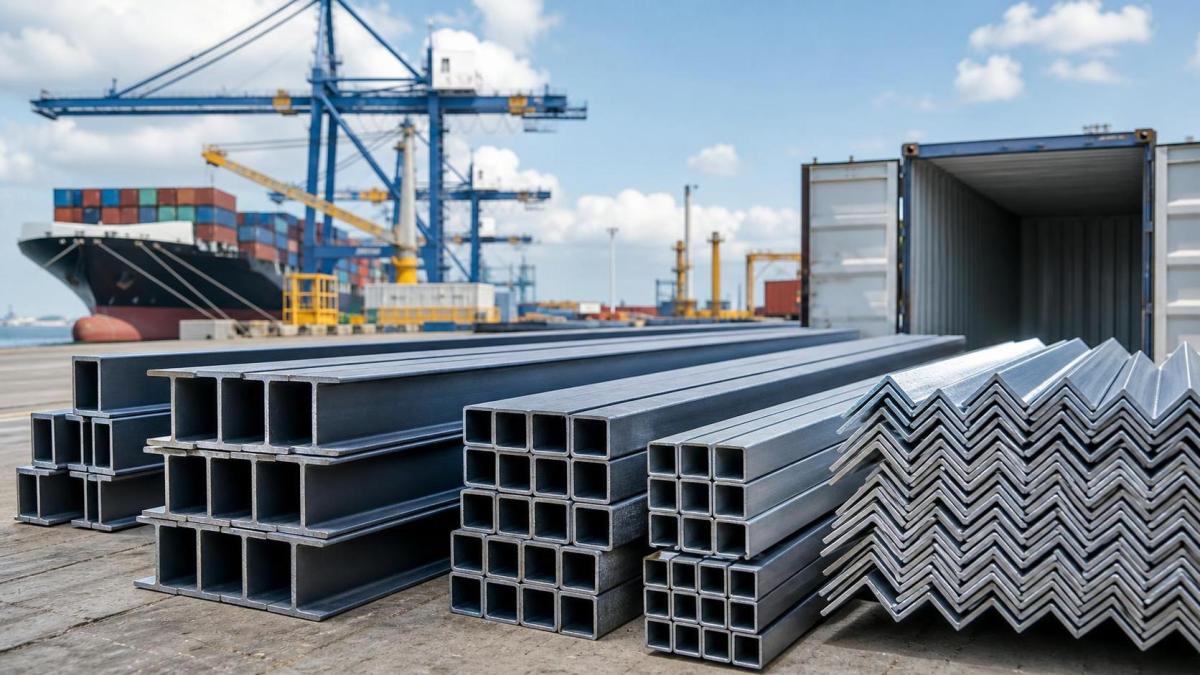
According to the provided information, from August 1, 2026, the EU CBAM Phase 3 applies to all hot-rolled, cold-rolled, and formed steel products, including profiles such as H-beams, square tubes, and angle steel.
Importers are required to submit full life-cycle carbon emissions data at the time of declaration, and that data must be verified by an accredited third party.
If the required submission is not completed in compliance with the rule, the goods may either be denied entry or become subject to punitive carbon tariffs.
The provided summary also makes clear that this requirement directly affects the delivery process and compliance cost structure for Chinese steel exporters supplying EU distributors, construction contractors, and industrial purchasers.
Where the pressure is likely to appear first in the supply chain
Trade flows into EU distribution channels
From an industry perspective, companies directly exporting steel products to EU buyers are likely to feel the impact first because the customs declaration process now depends on verified emissions documentation being available at the same time as shipment filing. The immediate pressure point is not only product movement, but also document readiness and timing alignment between exporter and importer.
Construction and project-based procurement
For construction contractors and project buyers in the EU, the relevance lies in delivery certainty. Where imported profiles are part of project schedules, any missing or incomplete carbon data may affect whether goods can clear customs on time. What deserves closer attention is the possibility that compliance preparation becomes part of supplier selection and order planning, rather than a back-end paperwork issue.
Industrial buyers relying on shaped steel products
Industrial purchasers using formed steel products may also be affected through procurement execution. Analysis shows that when carbon data must be submitted with verified documentation, the purchasing decision is no longer only about grade, price, and lead time. Documentation capability and coordination with importers can become part of the transaction workflow.
Supply chain and compliance service coordination
Observably, logistics, customs, and documentation support functions may face a more operational role in steel imports covered by this phase. The issue is not that the rule creates a new product market by itself, but that it adds a stricter compliance checkpoint that can influence shipment release, handover timing, and the cost consequences of non-compliance.
What companies should monitor in current operations
Whether product scope matches actual export portfolios
Companies shipping hot-rolled, cold-rolled, or formed steel products to the EU should first pay close attention to whether their current export mix includes the covered categories mentioned in the provided information, especially profiles such as H-beams, square tubes, and angle steel. This is a practical screening step because the requirement is tied to product scope before it becomes a filing issue.
Readiness of verified life-cycle emissions documents
What deserves closer attention is the availability of complete life-cycle carbon emissions data that has already been verified by an accredited third party. In practical terms, firms involved in export, procurement, and delivery coordination need to focus on whether the required documents can be prepared in the form and timing needed for declaration.
Delivery planning and customer communication
Analysis shows that this is also a contract and coordination issue. Where goods are moving to EU distributors, contractors, or industrial buyers, companies may need to review how compliance status is communicated during order confirmation, shipment scheduling, and handover planning. The distinction between a sale being commercially agreed and a shipment being customs-ready becomes more important under this requirement.
Exposure to rejection or punitive tariff outcomes
The provided information identifies two direct consequences for non-compliance: refusal of entry or punitive carbon tariffs. For companies, that means the operational focus should be on preventing document gaps before shipment declaration rather than treating the issue as a post-clearance adjustment.
Why this should be read as more than a short-term filing update
Observably, this development is not just a routine paperwork change. The requirement ties market access for covered steel products to a verified carbon data package at the point of import declaration. That makes it more appropriate to understand this as a concrete compliance threshold already entering day-to-day trade execution, rather than a distant policy signal.
At the same time, this article should not treat broader market outcomes as settled fact. Analysis shows that the longer-term commercial impact will still depend on how companies adapt their documentation, communication, and delivery processes around the rule. For now, the clearest point is that carbon data has moved closer to the center of transaction readiness for covered steel imports into the EU.
How the market is likely to frame this development now
The immediate industry meaning of this update is straightforward: for covered steel products, customs access and cost exposure are now more closely linked to verified emissions reporting. That matters most for exporters, importers, project buyers, and supply chain teams whose work depends on predictable cross-border delivery.
It is more appropriate to understand this development as an implemented compliance change with broader strategic implications still unfolding. In other words, the rule itself is already operative based on the provided information, while the full commercial response across the supply chain remains something the industry will need to keep watching.
Basis of this article and points requiring continued verification
This article is based on the user-provided news title, event date, and event summary concerning the EU's implementation of CBAM Phase 3 for steel products from August 1, 2026.
For this type of industry update, commonly relevant source categories may include official announcements, company statements, industry association releases, authoritative media coverage, and standard-setting or compliance-related documents. No specific official source link was provided in the input, so the exact official reference still needs ongoing verification.
Further monitoring should focus on any subsequent official wording, implementation clarification, product-scope interpretation, and practical filing requirements affecting import declarations, third-party verification, delivery execution, and buyer-supplier coordination.