

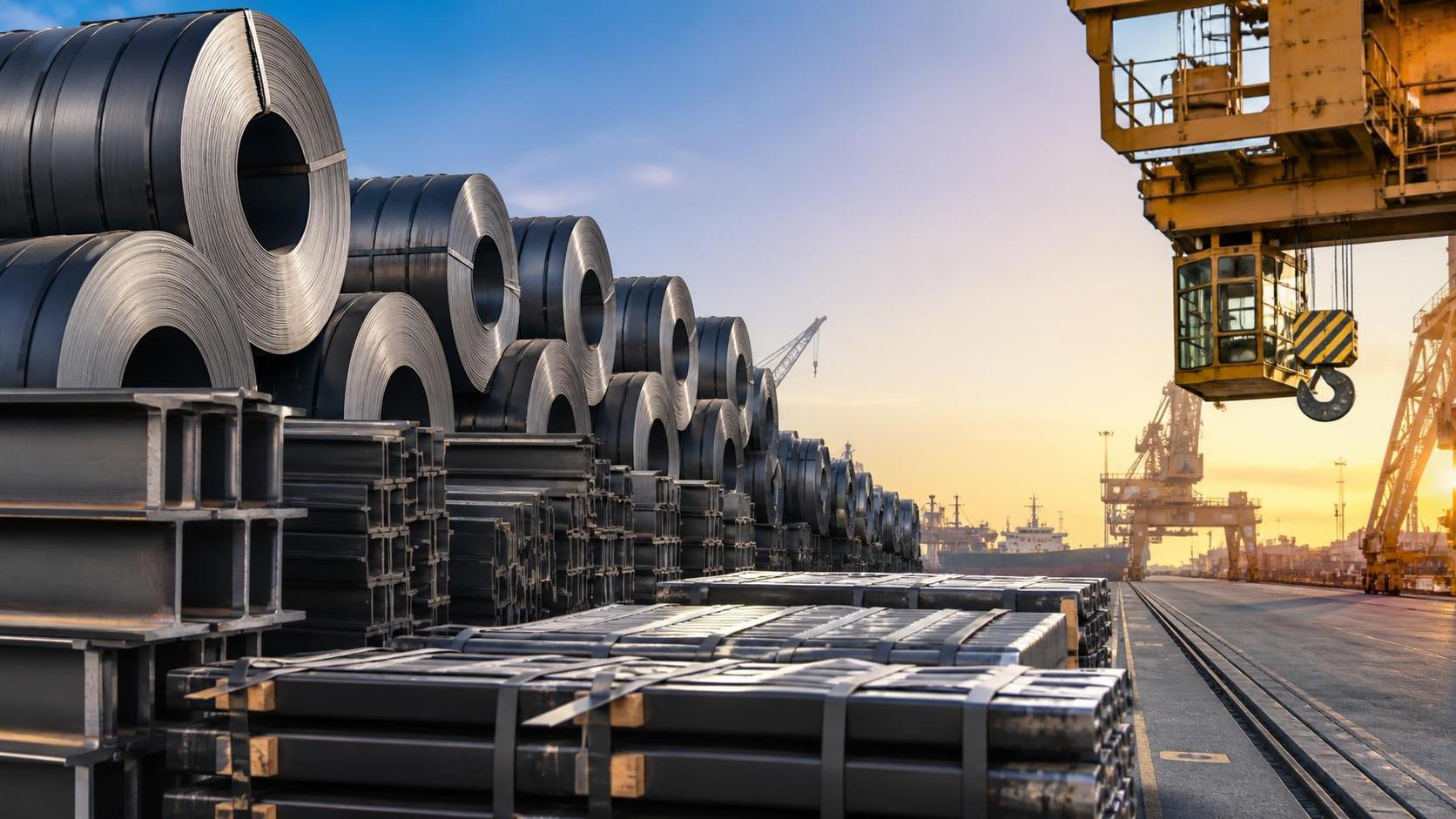
On 2026-08-07, the latest customs data and Lange Steel Research Center estimates showed Chinese steel exports remained at a high level in July, while August is expected to stay above the 10-million-ton mark under pressure. What deserves closer attention is not only the export volume itself, but also the price gap that continues to support overseas orders, especially for small and medium-sized buyers, traders, and downstream distributors watching cost-sensitive replenishment decisions.
July shipments stayed firm as the export window remained open
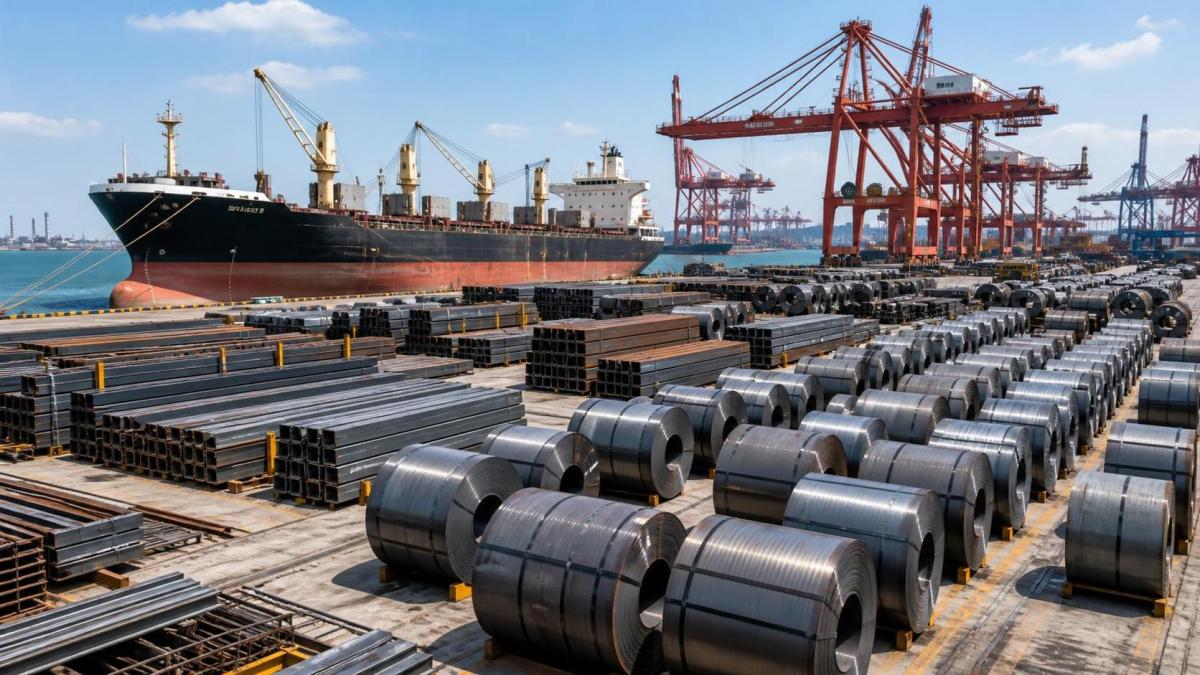
According to data from the General Administration of Customs and the Lange Steel Research Center, China exported 10.121 million tons of steel in July 2026, up 2.9% year on year. For the first seven months, cumulative exports reached 64.995 million tons. The same data set indicates that August is likely to remain at a relatively high level, with total exports expected to stay above 10 million tons.
At the pricing level, China’s hot-rolled coil FOB quotation was reported at $483 per ton, below Japan’s $545, Turkey’s $608, and India’s $490. That spread matters because it helps offset tariff pressure and ocean freight costs, which are often the main frictions in cross-border steel procurement.
What the export pace means for market participants
Cross-border traders may continue to rely on price gaps
For direct trade businesses, the current export pattern suggests that order flow is still being supported by relative pricing rather than by a broad demand surge. Analysis shows that when FOB quotes remain notably lower than those of competing suppliers, traders can still secure deals even in an environment shaped by tariffs and logistics costs. The main business focus is likely to stay on quotation timing, shipment windows, and contract execution.
Distributors and small buyers are likely to keep buying on need
For overseas small and medium-sized buyers, the reported spread gives room to replenish inventory on a need basis without locking into higher-cost alternatives. From an industry perspective, distributors benefit when they can source comparatively cost-effective material and protect resale margins. The practical issue is not only price, but also consistency in supply, delivery schedule, and document handling.
Downstream users will watch landed cost more closely
Processing and manufacturing users tend to react to landed cost rather than headline export quotes alone. As a result, the current situation is relevant to firms that convert steel into finished or semi-finished goods and to those who pass material costs through to customers. What deserves closer attention is whether the FOB advantage remains large enough to absorb freight and policy-related costs after shipment.
What companies should keep on their radar
Watch for any change in official export commentary
The most important signal to monitor is whether customs-related releases or industry-side updates continue to confirm export strength. The current figures point to a sustained high level, but the market should treat August as a period to observe rather than a settled trend.
Focus on hot-rolled coil and comparable exportable grades
The data in this report highlights hot-rolled coil as the key reference point. Companies handling export sales, sourcing, or distribution should keep a close watch on whether the price spread versus Japan, Turkey, and India narrows or widens, since that affects how much room remains after tariffs and freight are included.
Check paperwork, lead times, and customer communication early
For suppliers and trading desks, the practical work is to align contract terms, shipping schedules, and document preparation before orders are locked in. When buyers are price-sensitive, even small delays or inconsistencies in paperwork can weaken the value of the price advantage.
Separate policy signals from actual deal flow
It is more appropriate to understand this as a market-structure signal than as proof of a new long-term export regime. The export level is being supported by current pricing conditions, but whether that support holds will depend on how trade barriers, freight costs, and overseas replenishment patterns develop next.
A high-level signal, not a final verdict
Observably, the main message in this update is that China’s steel exports remain resilient because pricing still works in export markets. That is a short-term market signal with broader implications for traders, distributors, and downstream users, but it should not be read as a guaranteed long-term outcome. The more reliable conclusion for now is that price competitiveness is still offsetting part of the trade friction, and the next round of data will determine whether that balance continues.
Source Note
This article was generated based on the user-provided headline, event date, and summary. The content is derived from the information supplied in the prompt, including customs data and the Lange Steel Research Center figures referenced there. Specific official source links were not provided in the input and still need to be verified in follow-up checks. Relevant source types for continued monitoring include customs releases, industry research updates, trade association information, and authoritative market reporting.